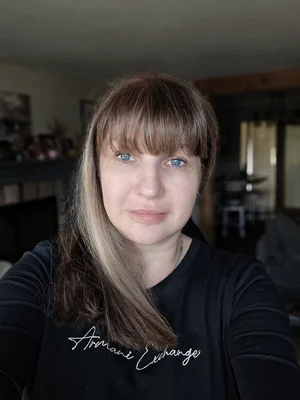
Alternative perceptions: I think various Middle Eastern countries have various perceptions about their own faith and how it evolves. I do not support or deny any opinions, but I do have to admit among muslim women there are various views on how and why they live their lives and what they believe in. I want to show different stereotypical points we all make, assumptions we create and truth behind it. As you probably guessed I do have predominantly Baltic and Northern European DNA. I want to see and show various honest opinion about all religious social environments, rather then assuming we are all “Equally The same”. This was a very interesting video that cut my attention, as this girl created some controversy among Middle Eastern female community.
Stereotypes are fixed, over-generalized beliefs or assumptions about the characteristics, traits, behaviors, and roles of all members of a particular social group. Stereotypes are fixed, overgeneralized beliefs or assumptions about a particular group of people, often based on perceived characteristics such as race, gender, ethnicity, or occupation. In social psychology, they are viewed as a cognitive shortcut that helps simplify information processing by categorizing individuals, though these generalizations are frequently inaccurate and ignore individual differences.
These beliefs can be explicit (conscious) or implicit (subconscious), and while they may contain positive, negative, or neutral attributes, they often lead to prejudice and discrimination. Stereotypes are deeply ingrained through social interactions and media, creating an "us versus them" mentality that can justify ill-founded prejudices, limit opportunities for stereotyped groups, and cause psychological stress known as stereotype threat.
I realized that main difference within Middle Eastern and Muslim communities are … initial social level. And there is NOTHING you can do about it. Much like within Old Indian culture. Caste system existed and always will, no matter what you may re-name it into. Ironically Old Slavic cultural roots are also based on social caste system: from Farmers to Astrologers and Spiritual Beings. In later historical periods, particularly within the Russian Empire, social structure was defined by legally recognized estates (sosloviia) rather than castes. The primary division was between the privileged (nobles, clergy) and the tax-paying classes (serfs, state peasants). A unique military caste emerged among the Cossacks, who were free people liable for mandatory army service in exchange for land and self-governing privileges on the frontiers. Something we all long forgotten, and, I am afraid social changes are trying to remind all of us at once. And no, we are not “all the same”, I am very, very sorry.